 Peter Platt
1 min read
AI Is Getting Better at Thinking. Are We?
 Peter Platt
Why the real opportunity isn't letting AI think for us, but learning to think better with it.
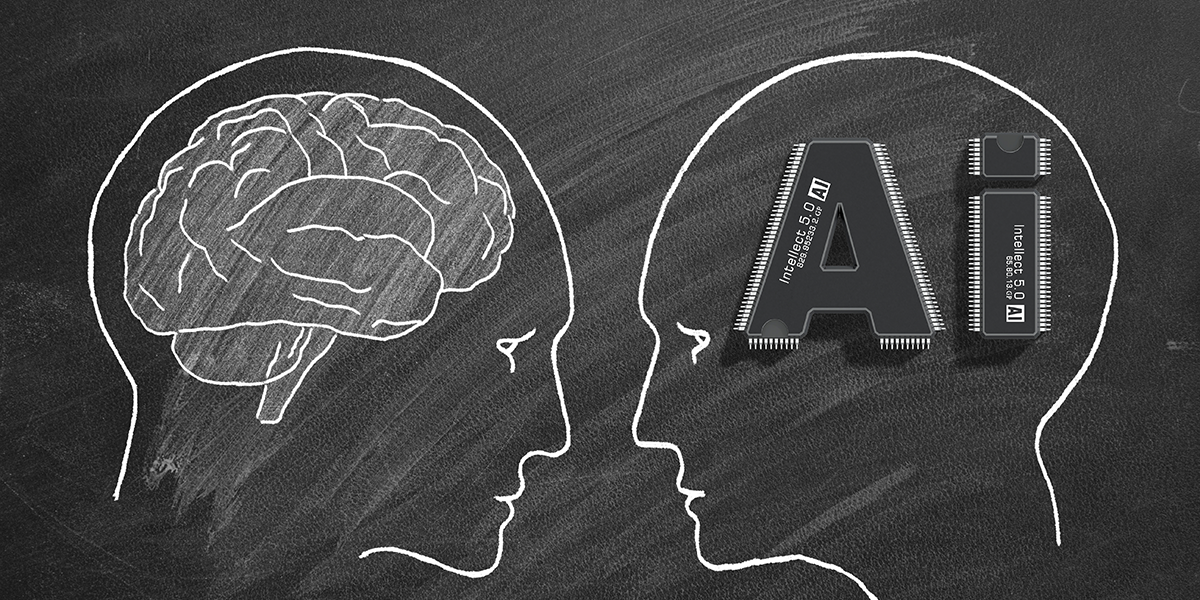
In today’s AI-driven marketing landscape, there’s an obsession with efficiency—faster content production, automated responses, and instant insights. While efficiency certainly has its place, the real opportunity with AI isn’t just doing things faster—it’s doing them better.
At Accountable Digital, we’ve found that AI is most valuable when used to enhance effectiveness, not just to streamline workflows. AI can help refine messaging, improve engagement, and optimize performance, but that often requires a more thoughtful and iterative approach—one that might take more time upfront but delivers far greater impact.
Many businesses fall into the efficiency trap, using AI to churn out content quickly rather than focusing on whether that content truly resonates with their audience. AI-generated text, for example, can be grammatically perfect and logically structured, but if it lacks emotional connection or brand authenticity, it won’t drive the desired results. Marketers who rely solely on AI for efficiency risk creating content that feels robotic and uninspired.
 AI as an Enhancer, Not a Replacement
One of the best ways to use AI in marketing is as a refinement tool rather than a content factory. Think about email marketing: AI can generate an email from scratch, but we’ve found that using AI to edit and optimize an already-written email yields far better results. AI can refine tone, improve clarity, and enhance persuasiveness—making the email more engaging and likely to convert.
The same applies to webpage content. AI can provide valuable suggestions, but the best content still requires human oversight to ensure it aligns with brand voice and resonates with the audience. It’s not just about producing content faster; it’s about making it stronger. While this approach may take longer, the increased engagement and conversion rates more than justify the effort.
For marketing leaders, this means rethinking how AI fits into their strategy. Instead of measuring success by how much content AI can generate, they should define success by how AI helps create more impactful messaging and customer experiences. Agencies and marketing teams should use AI to iterate, test, and refine—not just to automate and scale.
 Balancing AI with Human Expertise
The most effective strategies blend AI’s analytical power with human creativity. AI can suggest optimizations, but human intuition ensures authenticity and emotional resonance. The best results come from marketers who use AI as a support system rather than a shortcut.
As AI continues to evolve, marketing leaders should resist the urge to prioritize speed over substance. AI’s true power lies in its ability to enhance quality, not just efficiency. By using AI as a tool for effectiveness—refining, improving, and strengthening marketing efforts—you can achieve better results and create more meaningful connections with your audience.
At Accountable Digital, we embrace AI’s potential not to replace human creativity but to elevate it. If you’re looking for smarter ways to integrate AI into your marketing efforts, let’s talk.

1 min read
Why the real opportunity isn't letting AI think for us, but learning to think better with it.

1 min read
Search is no longer what it used to be. What was once a list of blue links has transformed into an interactive conversation—one powered by artificial...

1 min read
AI is reshaping how marketing teams work, and most of that change is for the better. But there's a quieter risk that comes with it, one that doesn't...