 Peter Platt
1 min read
Is your search traffic really helping your business?
 Peter Platt
Most people are pretty happy when they take a look at their web site traffic and see that a large share of traffic coming to their site from search...
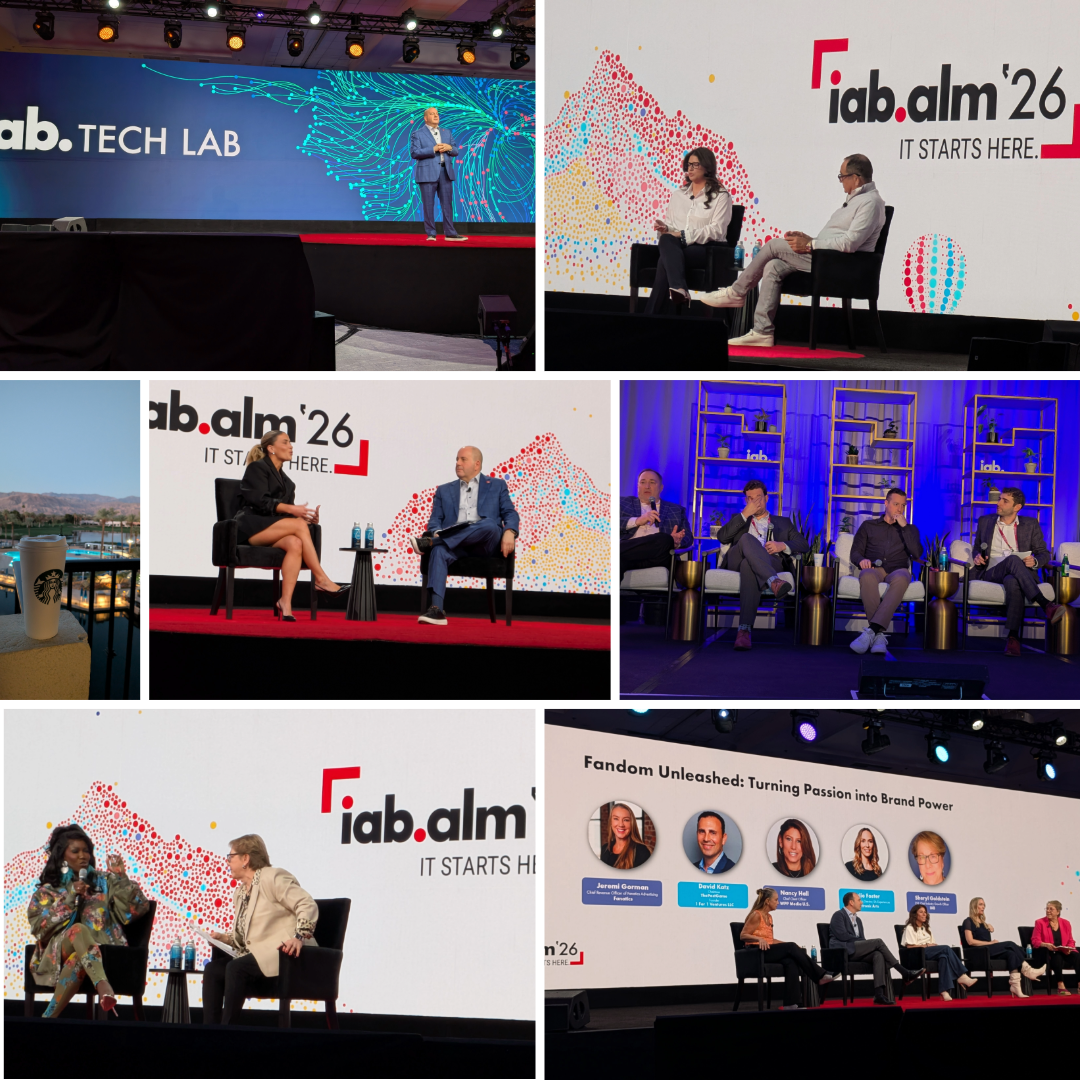
The buzz at this year’s IAB Annual Leadership Meeting wasn’t just about what AI can do. It was about what AI is already doing to your business—and specifically, to your data.
 We heard the same message from every corner of the Palm Springs desert, from the Tech Lab breakfast to the main stage: The free lunch is over. The era of Large Language Models (LLMs) scraping the web without consequence is ending.
But here is the hard truth that didn't make the sizzle reel: If your data foundation is cracked, AI won't fix it. It will just scale your problems faster.
Here is the strategic breakdown of what we learned and, more importantly, what you need to do about it.
For years, LLMs have been trained on the open web—learning from content that humans were paid to create. That value exchange is shifting rapidly.
We attended the IAB Tech Lab sessions where the new reality was laid bare: Content creators are locking the doors. Publishers are realizing that a simple robots.txt file is just a polite request that scrapers often ignore. To truly protect their IP, they are moving toward hard-blocking LLMs at the CDN level.
This creates a massive fork in the road for your Content Authority strategy, depending on who you are:
You must decide now: Are you building a fortress or a lighthouse? If you want to be a thought leader, you need to ensure your content is structured specifically so these "dumber" models can still find and cite you.

There is a lot of excitement about "Agentic AI"—software agents that autonomously negotiate and buy media for you. But let’s be clear about the liability.
An untrained agent doesn't just make a typo; it can burn through a quarterly budget in minutes or buy inventory that violates every brand safety rule in your book.
During a breakout on the future of digital ad buys, a comparison was made to self-driving cars. Everyone talks about the "AI" driving the car, but the reality—as we see with Waymo—is that these systems are actually following incredibly complex, strict rules. They aren't "improvising" on the highway; they are executing a rigorous framework defined by humans.
Agentic media buying requires Data Intelligence, not just a credit card. You cannot hand the keys to an AI agent without a strict set of rules (guardrails) regarding cost, placement, and compliance.
We need to treat AI agents like junior traders with super-powers. They need a "Strict Rules-Based Approach" to start. This is why we focus on data integrity first—if the inputs (rules) are bad, the outputs (buys) will be disastrous.
For our retail and B2B commerce clients (especially those on platforms like BigCommerce), the convergence of "shopper media" and "retail media" was a major theme.
The noise of AI-generated content is creating a new premium on High Impact Channels—places where we know a real human is paying attention. This includes In-Store Retail Media, CTV, and high-fidelity digital commerce experiences.
Your commerce system isn't just a place to transact; it's a media channel. But it only works if you can measure it. The industry is struggling with measurement fragmentation across these new networks.
Focus on Technical Authority. Ensure your commerce platforms are instrumented to pass clean, structured data that proves "incrementality"—meaning, did this ad actually drive a sale that wouldn't have happened otherwise?
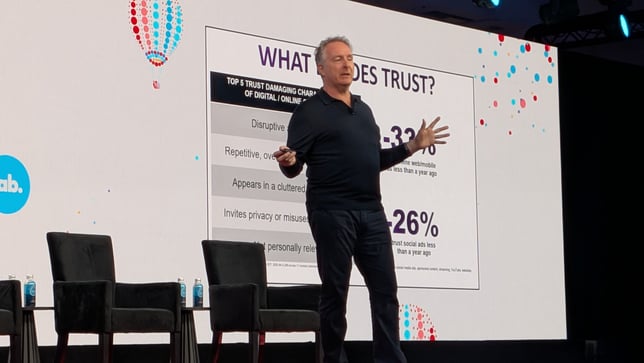 The Verdict: It Starts with Accountability
AI is coming, but the industry isn't fully ready. The standards (protocols for paying publishers, rules for agentic buying) are still being written.
You don't need to wait for the dust to settle to act. The winners of this next phase won't be the ones with the flashiest AI tools; they will be the ones with the cleanest data and the strictest rules.
If you can't measure it, you shouldn't be automating it.

1 min read
Most people are pretty happy when they take a look at their web site traffic and see that a large share of traffic coming to their site from search...

1 min read
As marketers, we strive to ensure that our messages capture our prospect’s attention, encourage them to consider our offerings, and in the end make a...